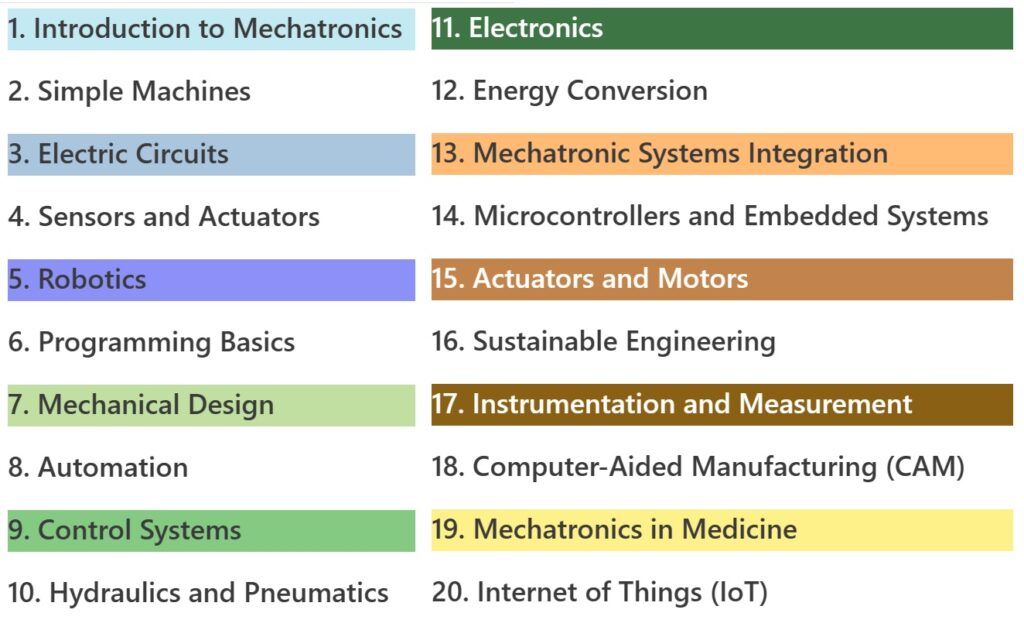
Click the simple table below to view the FULL LENGTH Mechatronics Course for Teens OVERVIEW
DISCLAIMER – This course is put together from various sources. Although the content of the course, and the questions are written and designed by Total Electrical Training, however none of the video tutorials in this course are made by us, or anyone affiliated with us. Although we’ve compiled the videos to enhance your learning of the relevant lesson, this does not mean Total Electrical Training is validating or promoting the creators of those videos or the content of their channels.
This Lessons Contains: READING, VIDEOS, QUESTIONS, and A HANDS ON PROJECT.
Renewable Energy: A Comprehensive Guide to Sustainable Engineering
Introduction
Renewable energy has become a cornerstone in the global effort to combat climate change and transition towards a more sustainable future. As we face the increasing threat of environmental degradation and resource depletion, the importance of sustainable engineering and innovative technologies cannot be overstated. This article explores the role of renewable energy in sustainable engineering, the contributions of mechatronics to sustainability, examples of sustainable technologies, and the significance of considering the environmental impact of engineering projects.
What is Sustainable Engineering?
Sustainable engineering is a discipline that focuses on designing, developing, and implementing engineering solutions that meet present needs without compromising the ability of future generations to meet their own needs. It encompasses a holistic approach that integrates environmental, economic, and social considerations into the engineering process. Sustainable engineering aims to minimize the negative impacts on the environment, optimize resource use, and enhance the quality of life.
Key Principles of Sustainable Engineering
- Resource Efficiency: Utilizing resources, including energy, water, and materials, in the most efficient manner possible.
- Waste Minimization: Reducing waste generation through design optimization, recycling, and reusing materials.
- Life Cycle Thinking: Considering the entire life cycle of a product or project, from raw material extraction to disposal, to minimize environmental impact.
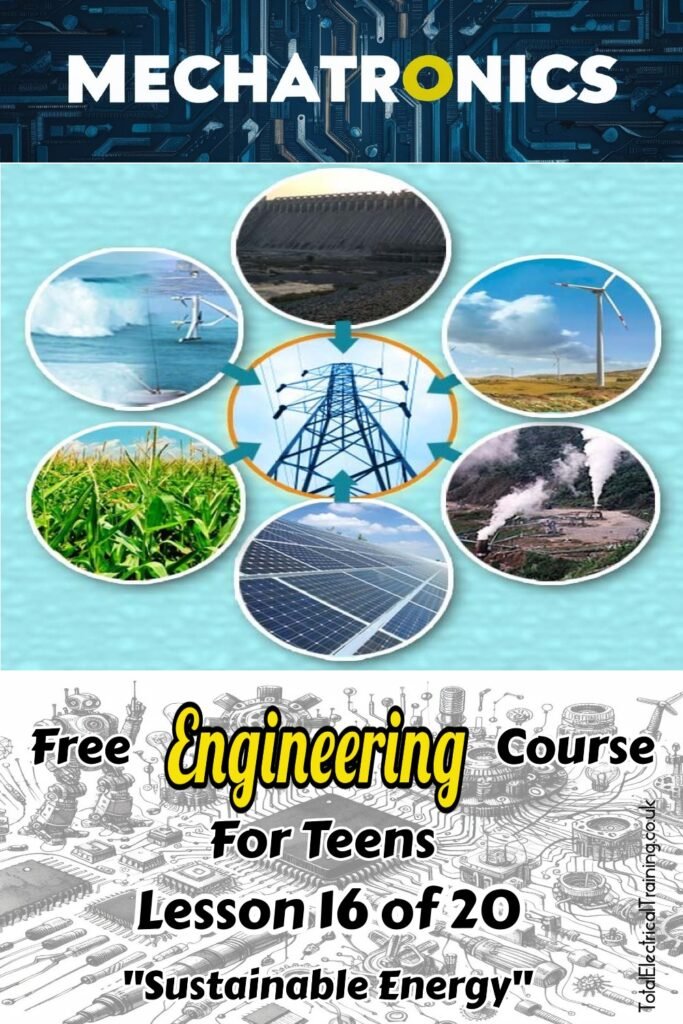
- Renewable Energy Integration: Promoting the use of renewable energy sources, such as solar, wind, hydro, and geothermal, to reduce reliance on fossil fuels.
- Environmental Protection: Implementing measures to protect ecosystems, biodiversity, and natural habitats.
- Social Responsibility: Ensuring that engineering projects benefit society and do not harm communities.
How Can Mechatronics Contribute to Sustainability?
Mechatronics, an interdisciplinary field that combines mechanical engineering, electronics, computer science, and control engineering, plays a vital role in advancing sustainable technologies. The integration of these disciplines enables the development of smart systems and devices that can enhance energy efficiency, reduce waste, and improve overall sustainability.
Contributions of Mechatronics to Sustainability
- Energy Efficiency: Mechatronics can optimize energy use in various applications, such as industrial automation, transportation, and smart grids. For example, intelligent control systems can regulate energy consumption based on real-time data, reducing energy waste and lowering carbon emissions.
- Automation and Robotics: Automation technologies, including robotics, can streamline manufacturing processes, reduce material waste, and increase precision. This leads to fewer defects, less resource consumption, and reduced environmental impact.
- Smart Grids and Energy Management: Mechatronics enables the development of smart grid systems that efficiently manage the distribution and consumption of electricity. These systems can integrate renewable energy sources, optimize energy storage, and provide real-time monitoring and control, leading to a more resilient and sustainable energy infrastructure.
- Electric Vehicles (EVs): Mechatronic systems are integral to the design and operation of electric vehicles. EVs produce zero tailpipe emissions and are more energy-efficient than traditional internal combustion engine vehicles. The advancement of mechatronics in battery management systems, electric drivetrains, and charging infrastructure is crucial for the widespread adoption of EVs.
- Renewable Energy Systems: Mechatronics plays a crucial role in optimizing the performance of renewable energy systems. For instance, wind turbines and solar panels can benefit from advanced control systems that adjust to varying environmental conditions, maximizing energy output and efficiency.
Examples of Sustainable Technologies
Sustainable technologies are innovations that promote environmental stewardship, resource conservation, and social well-being. These technologies are essential for mitigating the adverse effects of human activities on the planet and fostering a sustainable future.
Notable Examples
- Solar Photovoltaic (PV) Systems: Solar PV systems convert sunlight into electricity, providing a clean and renewable energy source. Advances in solar technology, such as more efficient panels and energy storage solutions, have made solar power increasingly accessible and cost-effective.
- Wind Energy: Wind turbines harness the kinetic energy of wind to generate electricity. Wind energy is one of the fastest-growing renewable energy sources, with significant potential for reducing greenhouse gas emissions.
- Hydroelectric Power: Hydroelectric power plants generate electricity by using the gravitational force of falling or flowing water. This technology is a reliable and renewable energy source that can provide a significant portion of a region’s electricity needs.
- Geothermal Energy: Geothermal energy utilizes heat from the Earth’s interior to generate electricity or provide direct heating. It is a stable and reliable energy source with a minimal environmental footprint.
- Biomass Energy: Biomass energy is derived from organic materials, such as plant and animal waste. It can be used for electricity generation, heating, and biofuel production, offering a renewable alternative to fossil fuels.
- Green Building Technologies: Green building technologies focus on designing and constructing buildings that are energy-efficient, environmentally friendly, and sustainable. Examples include energy-efficient lighting, heating, ventilation, and air conditioning (HVAC) systems, green roofs, and sustainable building materials.
- Electric and Hybrid Vehicles: Electric and hybrid vehicles reduce dependence on fossil fuels and lower greenhouse gas emissions. Advances in battery technology, charging infrastructure, and vehicle design have made these vehicles more practical and appealing to consumers.
Why is it Important to Consider the Environmental Impact of Engineering Projects?
Considering the environmental impact of engineering projects is crucial for several reasons. As the global population grows and industrial activities expand, the strain on natural resources and ecosystems intensifies. By prioritizing environmental considerations, engineers can mitigate adverse effects, promote sustainable development, and ensure a healthier planet for future generations.
Key Reasons
- Resource Conservation: Engineering projects often require significant resources, including raw materials, energy, and water. By assessing and minimizing the environmental impact, engineers can promote the efficient use of resources and reduce waste.
- Pollution Prevention: Engineering projects can contribute to air, water, and soil pollution if not managed properly. Implementing sustainable practices helps reduce pollution levels, protect public health, and preserve natural habitats.
- Climate Change Mitigation: Engineering projects that rely on fossil fuels or other non-renewable resources contribute to greenhouse gas emissions and climate change. Sustainable engineering practices, such as integrating renewable energy sources and enhancing energy efficiency, are vital for reducing the carbon footprint of projects.
- Biodiversity Protection: Many engineering projects, such as infrastructure development and resource extraction, can disrupt ecosystems and threaten biodiversity. By carefully planning and implementing sustainable measures, engineers can minimize habitat destruction and protect endangered species.
- Regulatory Compliance: Many countries have established environmental regulations and standards to protect the environment. Adhering to these regulations is essential for legal compliance and avoiding potential fines or project delays.
- Social Responsibility: Engineering projects have a profound impact on communities and the environment. Considering the environmental impact demonstrates a commitment to social responsibility and ethical conduct, fostering trust and goodwill among stakeholders.
- Long-Term Economic Benefits: Sustainable engineering practices can lead to long-term cost savings by reducing resource consumption, improving efficiency, and minimizing waste. Investing in sustainable technologies can also create new job opportunities and drive economic growth.
Conclusion
Renewable energy and sustainable engineering are pivotal in addressing the challenges of climate change, resource depletion, and environmental degradation. By embracing innovative technologies and prioritizing sustainability, we can create a more resilient and sustainable future. Mechatronics, with its interdisciplinary approach, plays a crucial role in advancing sustainable technologies and enhancing energy efficiency. It is imperative to consider the environmental impact of engineering projects to protect the planet, conserve resources, and promote social well-being. As we move forward, the continued development and adoption of renewable energy and sustainable practices will be essential in achieving a cleaner, greener, and more sustainable world.
Hands on Project for this Lesson – Create a Small Scale Renewable Energy project… Do some research and use youtube to find a project… Be creative!
Questions
- What is sustainable engineering?
- How can mechatronics contribute to sustainability?
- What are some examples of sustainable technologies?
- Why is it important to consider the environmental impact of engineering projects?
- Research Question: Explore how mechatronics is used in electric vehicles.
Ready to take a dive into Electrical Engineering to get a head start on College or University, or simply expand your DIY knowledge?
Check out our meticulously designed course in Electrical/Electronic Engineering for all walks of life, from any country. Delivered by Professor F. Tavassoli.

Buy me a Coffee
If this page has been extremely helpful, you can always buy me a digital coffee to express your thanks for the information I’ve put together to help eager minds excel in their knowledge, learning and success.
Your kind donation makes it possible for me to continue creating amazing content, courses and fulfil my dream of keeping the majority of what I make FREE and Ad FREE!!!
Thank you from the bottom of my heart, and abundant blessings to you!

Join students and professionals
from across the world increasing their knowledge of Electrical Engineering.
One email at a time
We never send spam or give your information to anyone, Privacy Policy here.
DISCLAIMER – This course is put together from various sources. Although the content of the course, and the questions are written and designed by Total Electrical Training, however none of the video tutorials in this course are made by us, or anyone affiliated with us. Although we’ve compiled the videos to enhance your learning of the relevant lesson, this does not mean Total Electrical Training is validating or promoting the creators of those videos or the content of their channels.